The Triya Packaging Journal

Better packaging decisions start with better questions.

Practical field notes for brand, ecommerce and procurement teams—from choosing the right box structure to approving samples and planning freight.

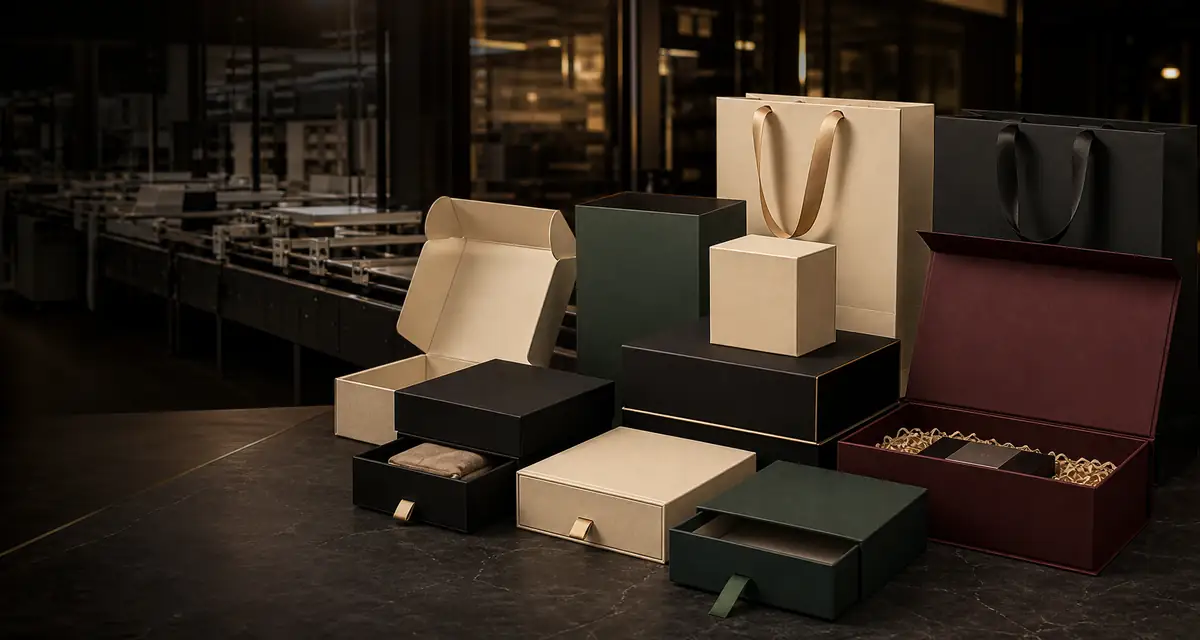
Collection of custom rigid boxes, mailer boxes and branded packaging

Latest insights

Guidance for every stage of an order.

Short, focused guides written around real packaging decisions.

01

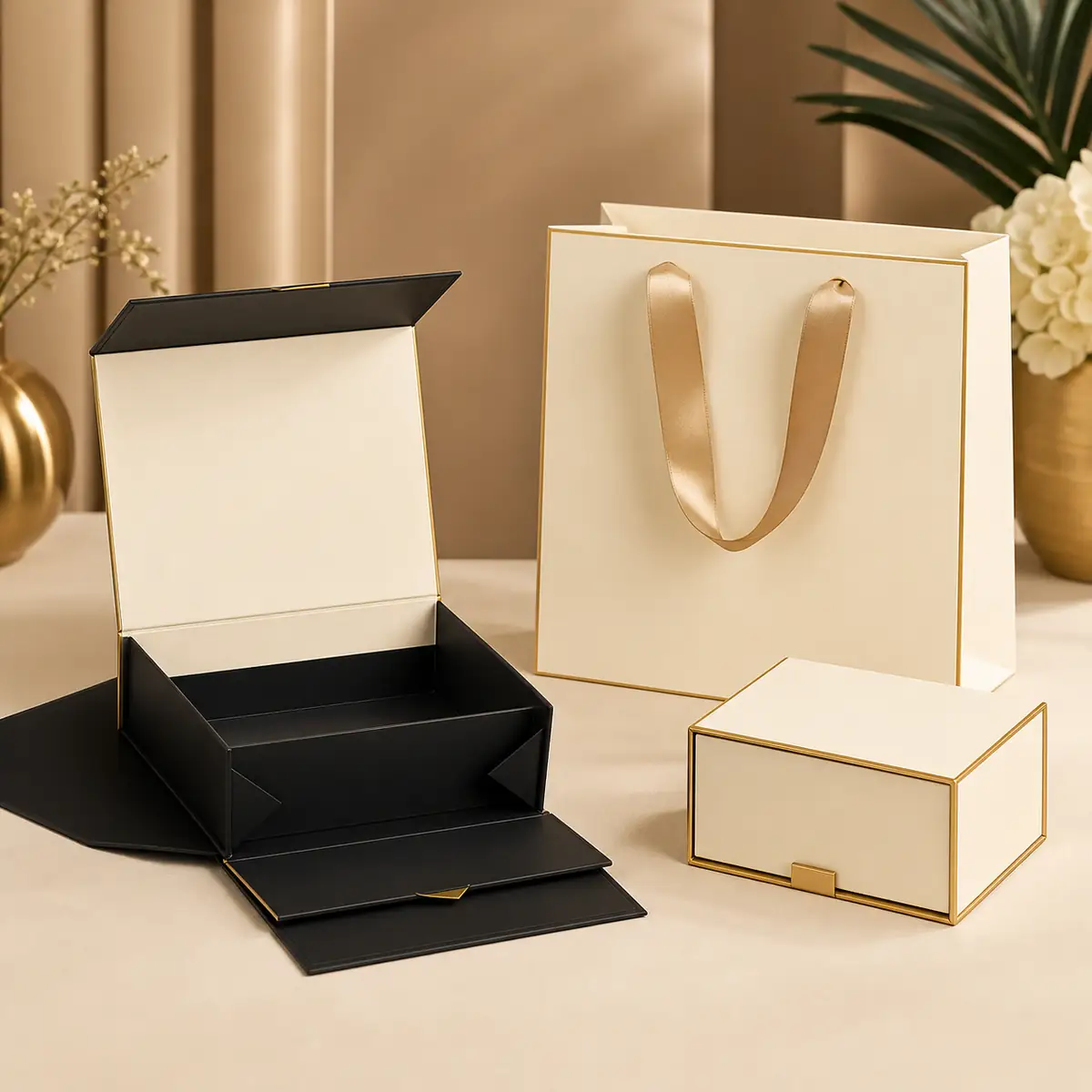
How to choose a magnetic rigid box for a product launch

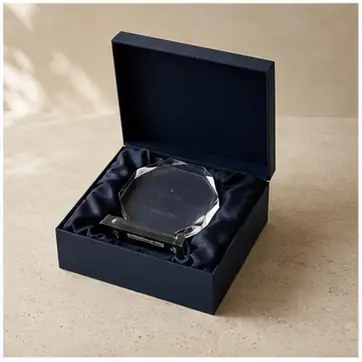
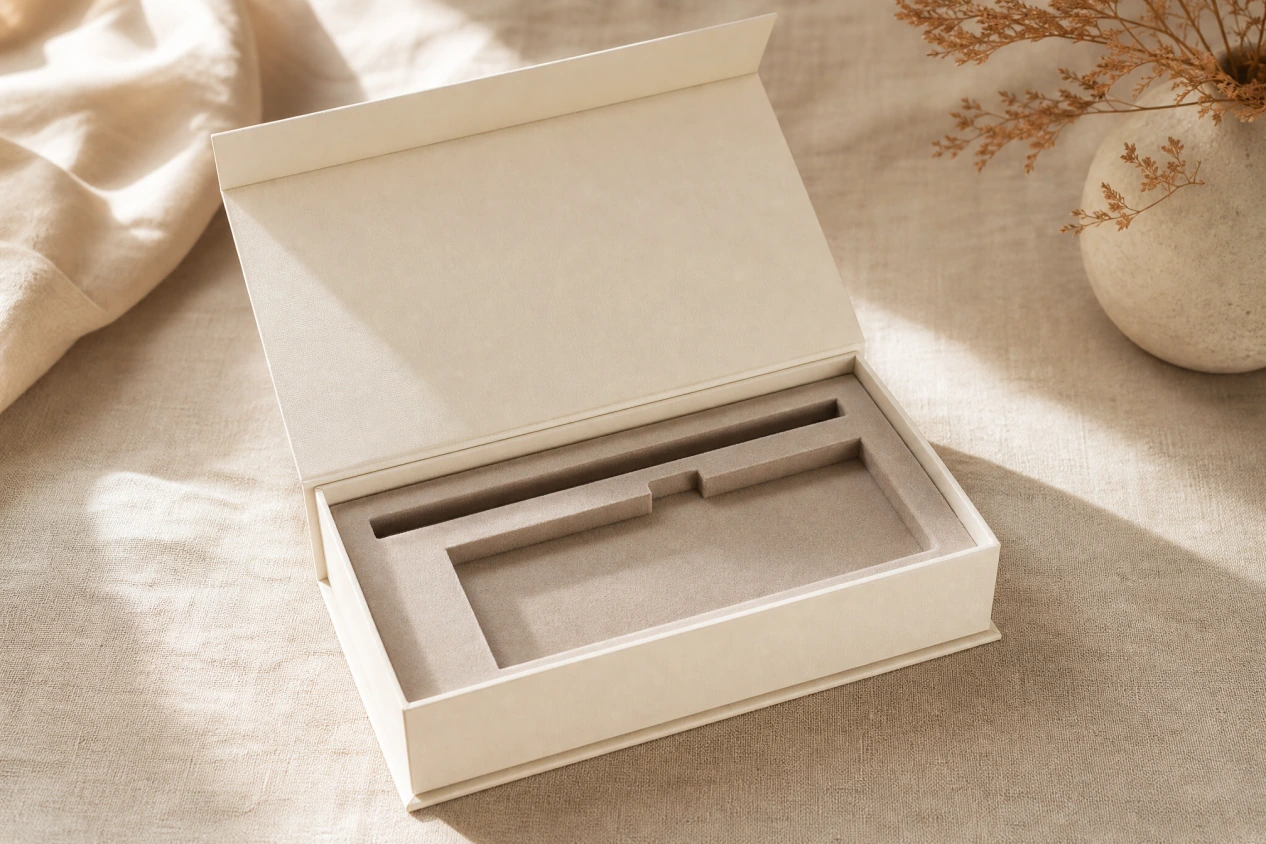
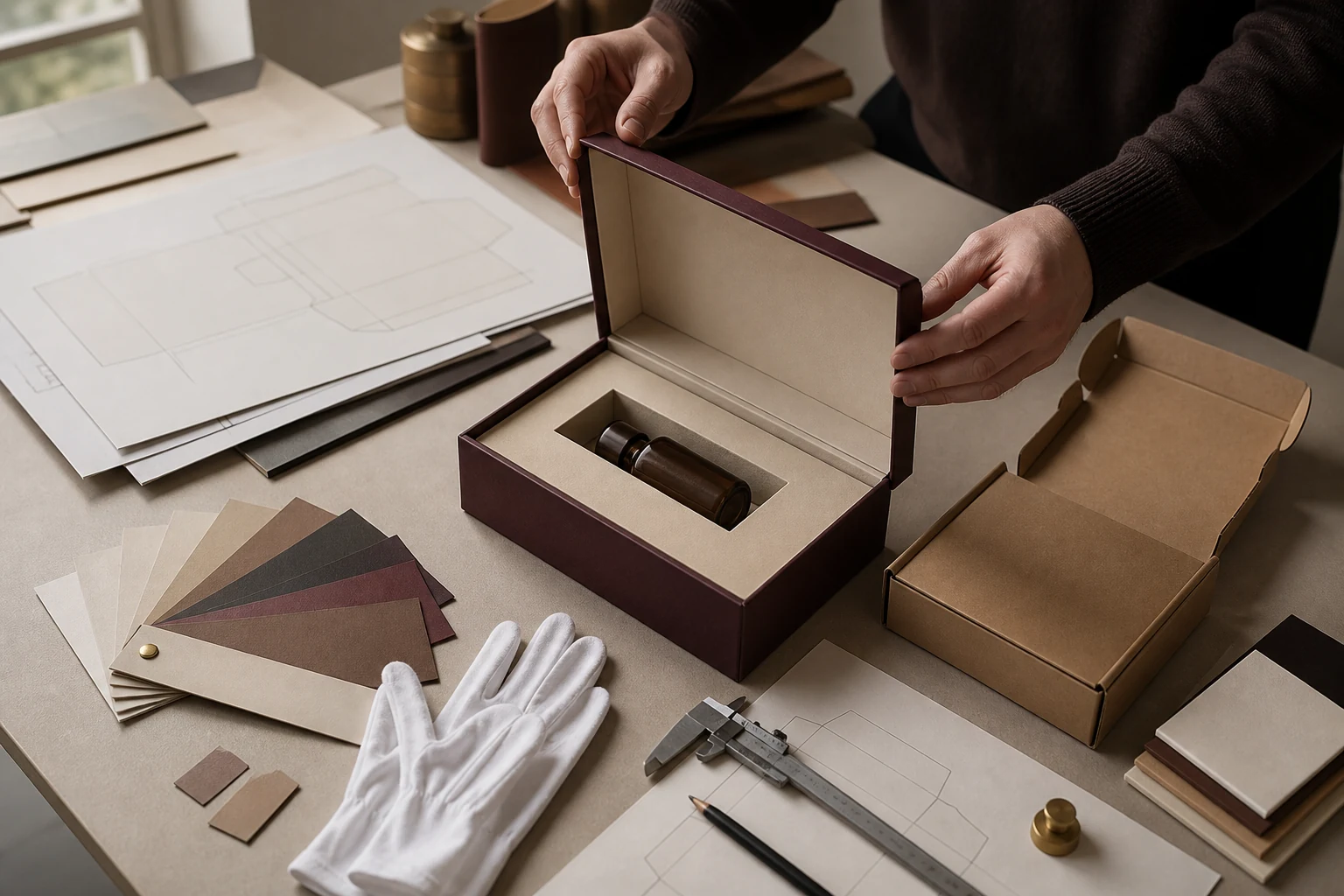
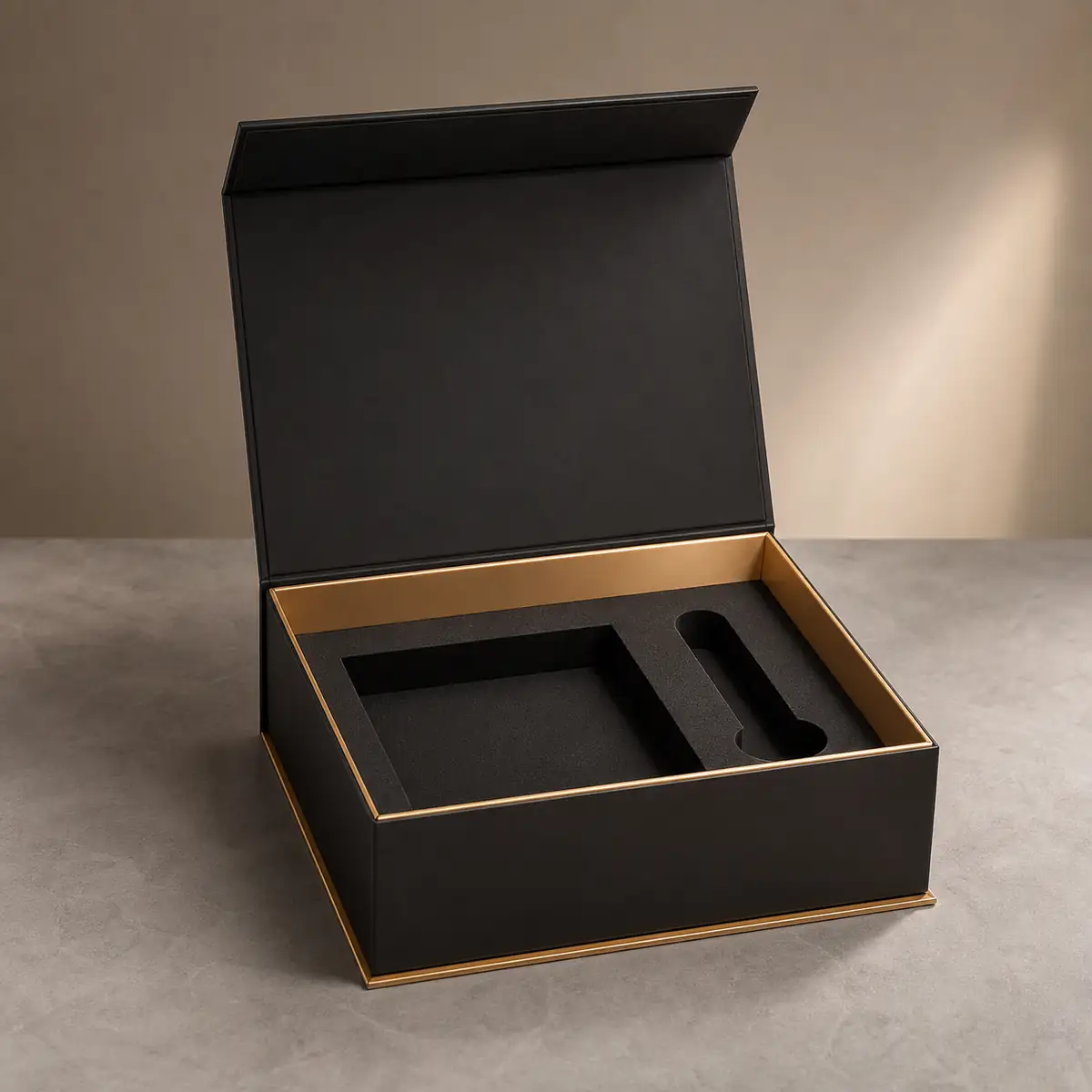
A magnetic rigid box works best when the product needs a premium reveal and the packaging may be kept or reused. Start with the packed product dimensions, then add the insert and safe clearance before setting the outer box size. The board must be strong enough for the box span and product weight.

Decide early whether the box will ship assembled or flat. A collapsible box can reduce freight and storage volume, while a fixed rigid box usually delivers the cleanest presentation. Confirm magnet strength, hinge movement and lid alignment on a physical sample.

Quick answer Choose this format for premium launch kits, gifts and higher-value products where presentation matters more than the lowest shipping volume.
Explore magnetic rigid box specifications
02

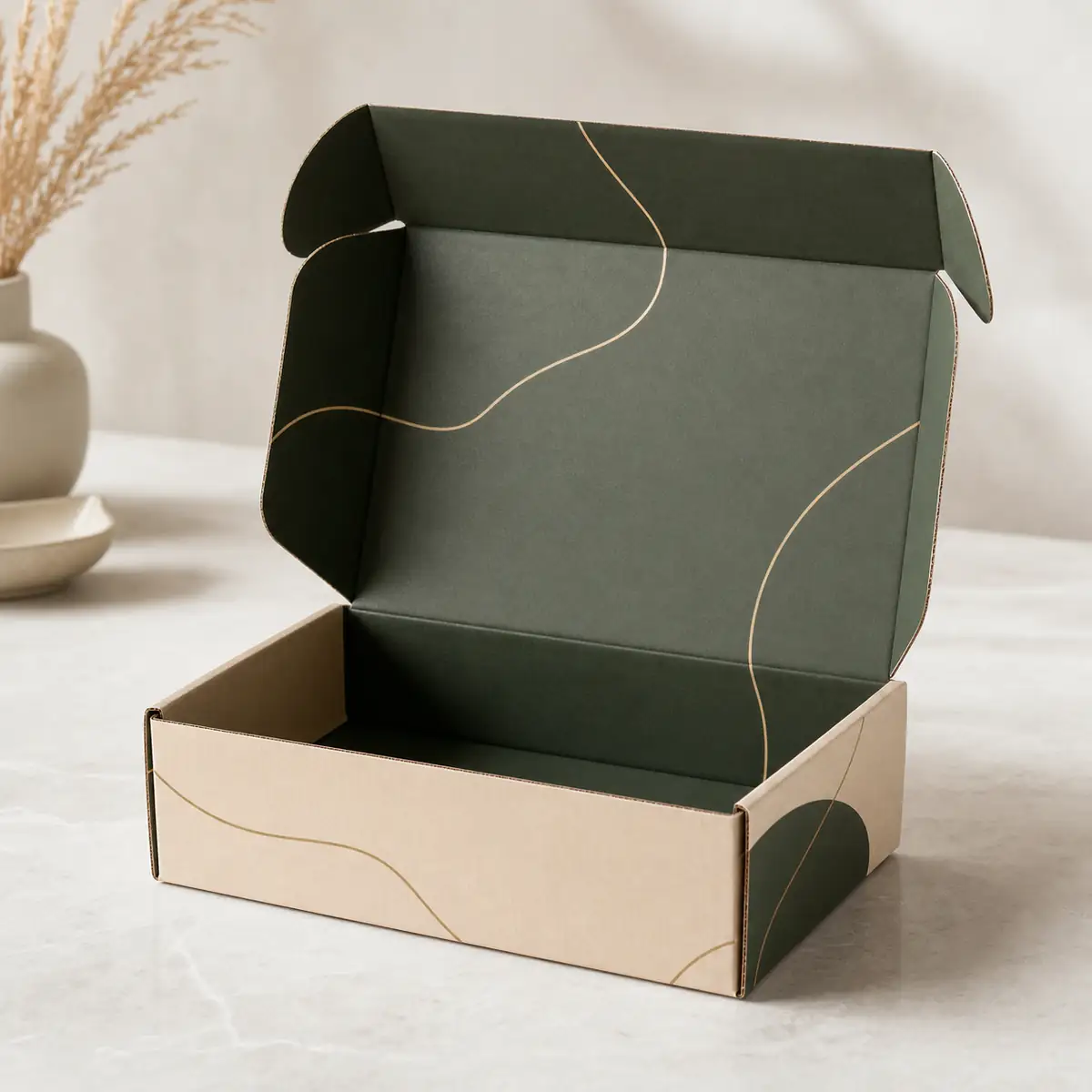
Mailer box vs. rigid box: how should you choose?

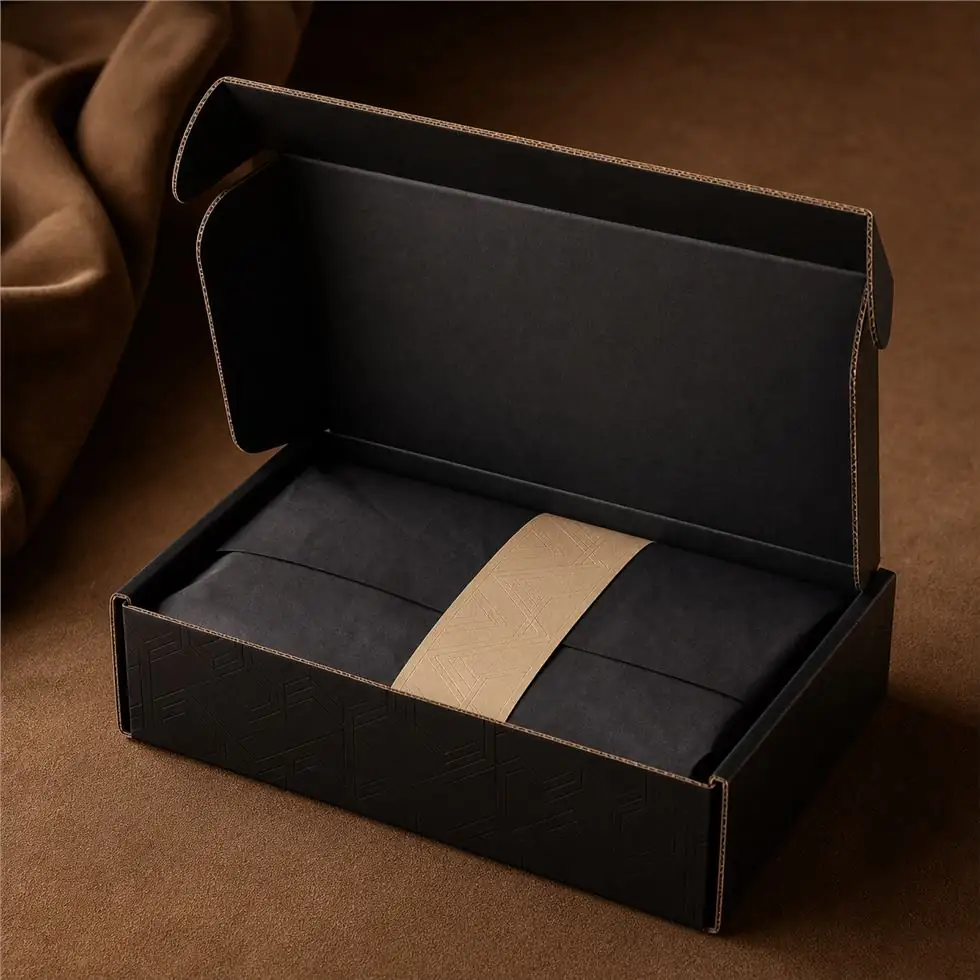
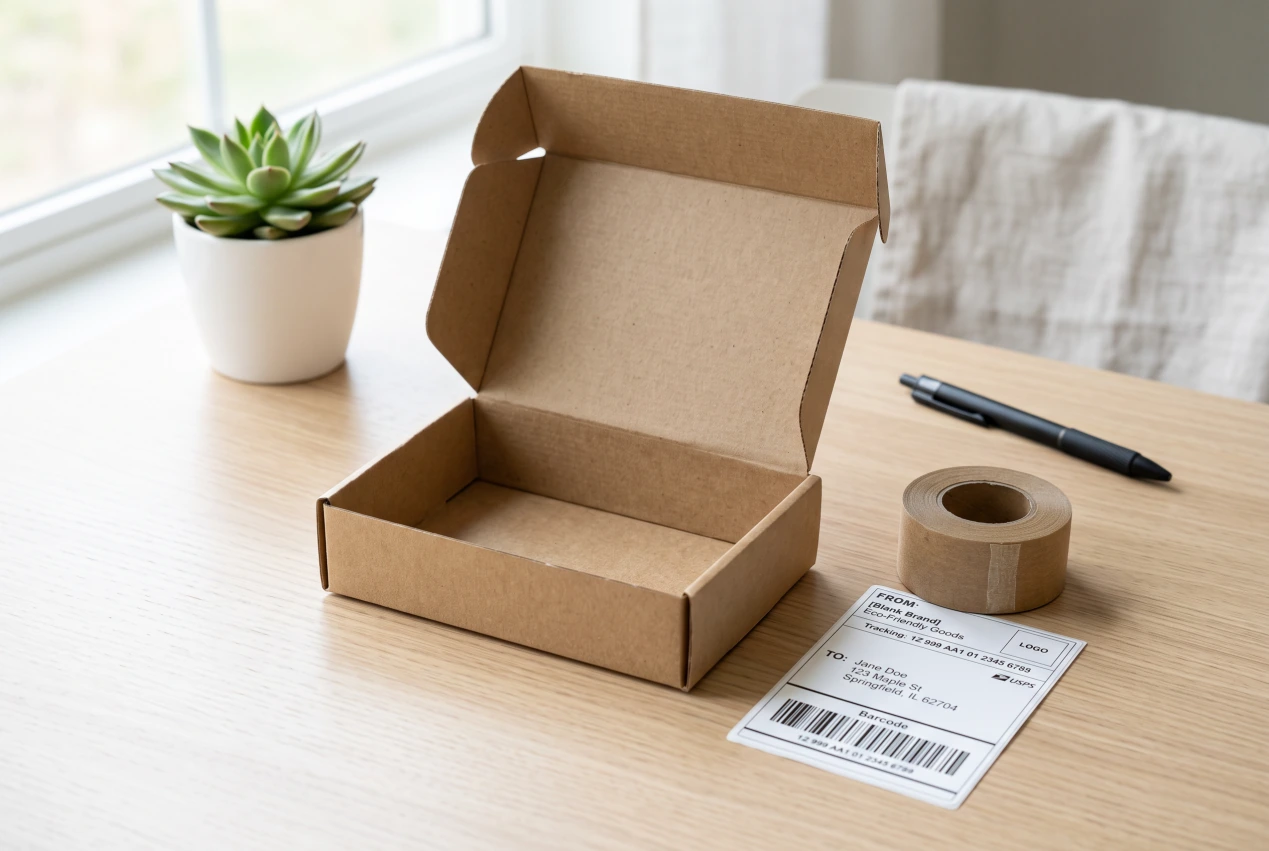
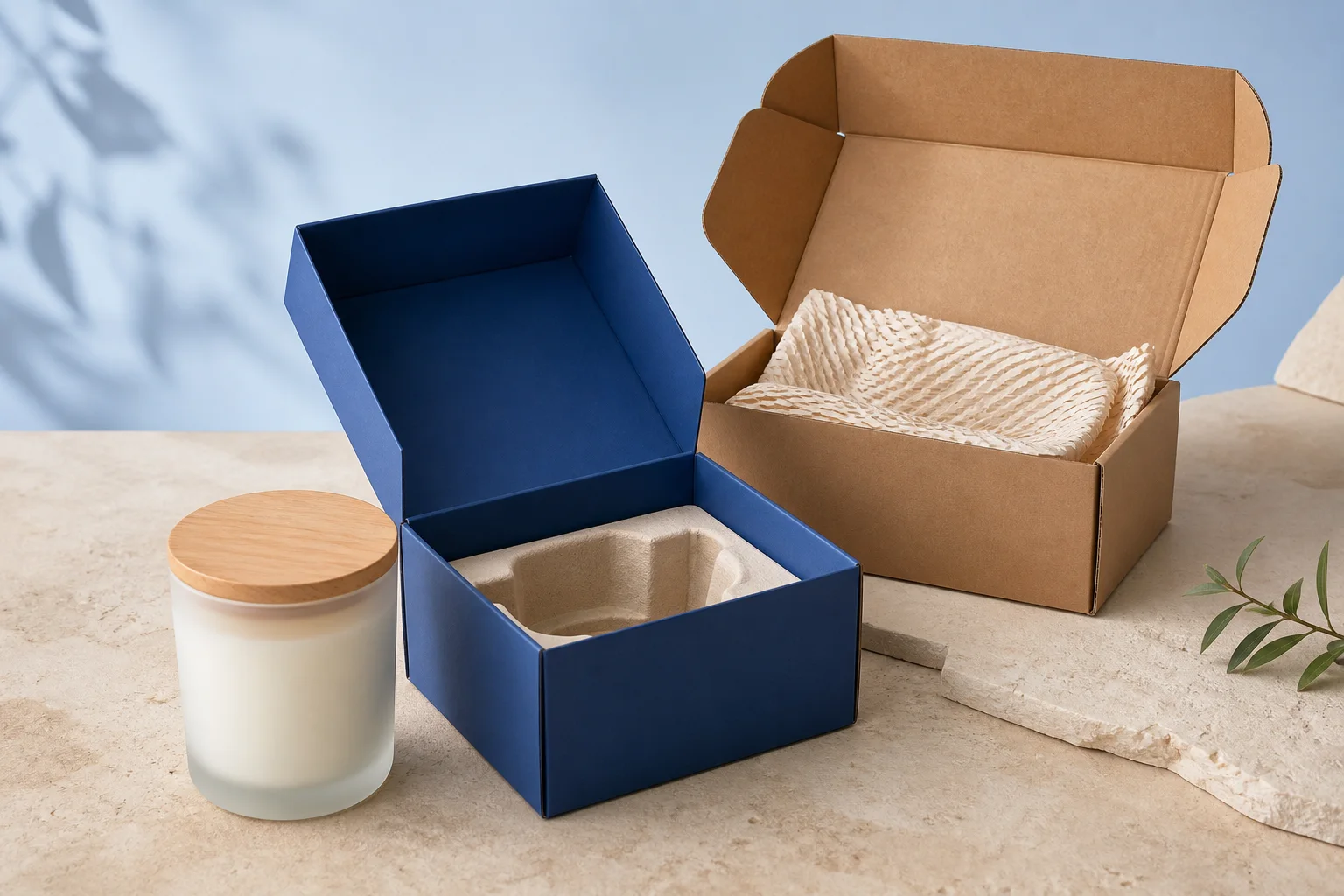
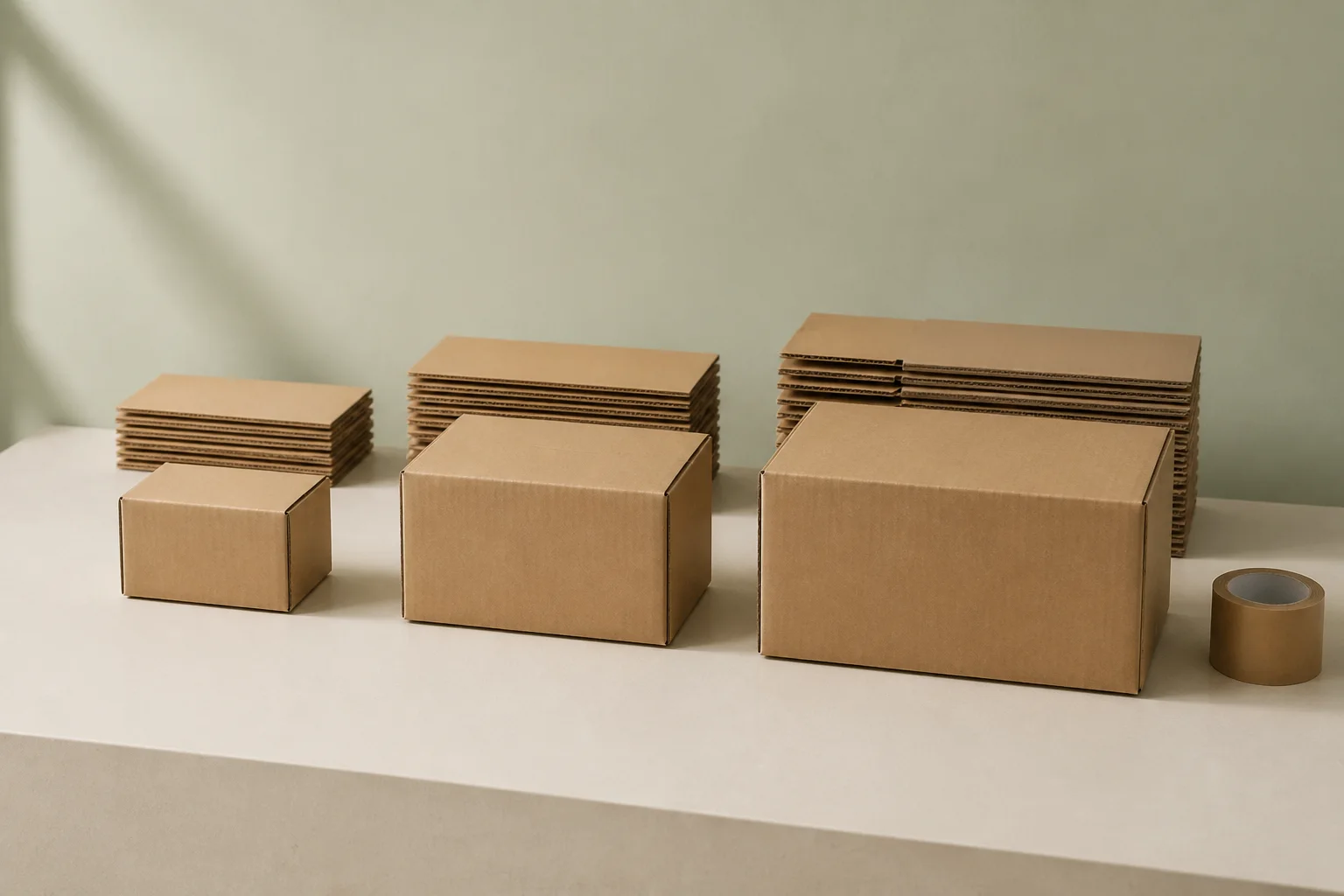
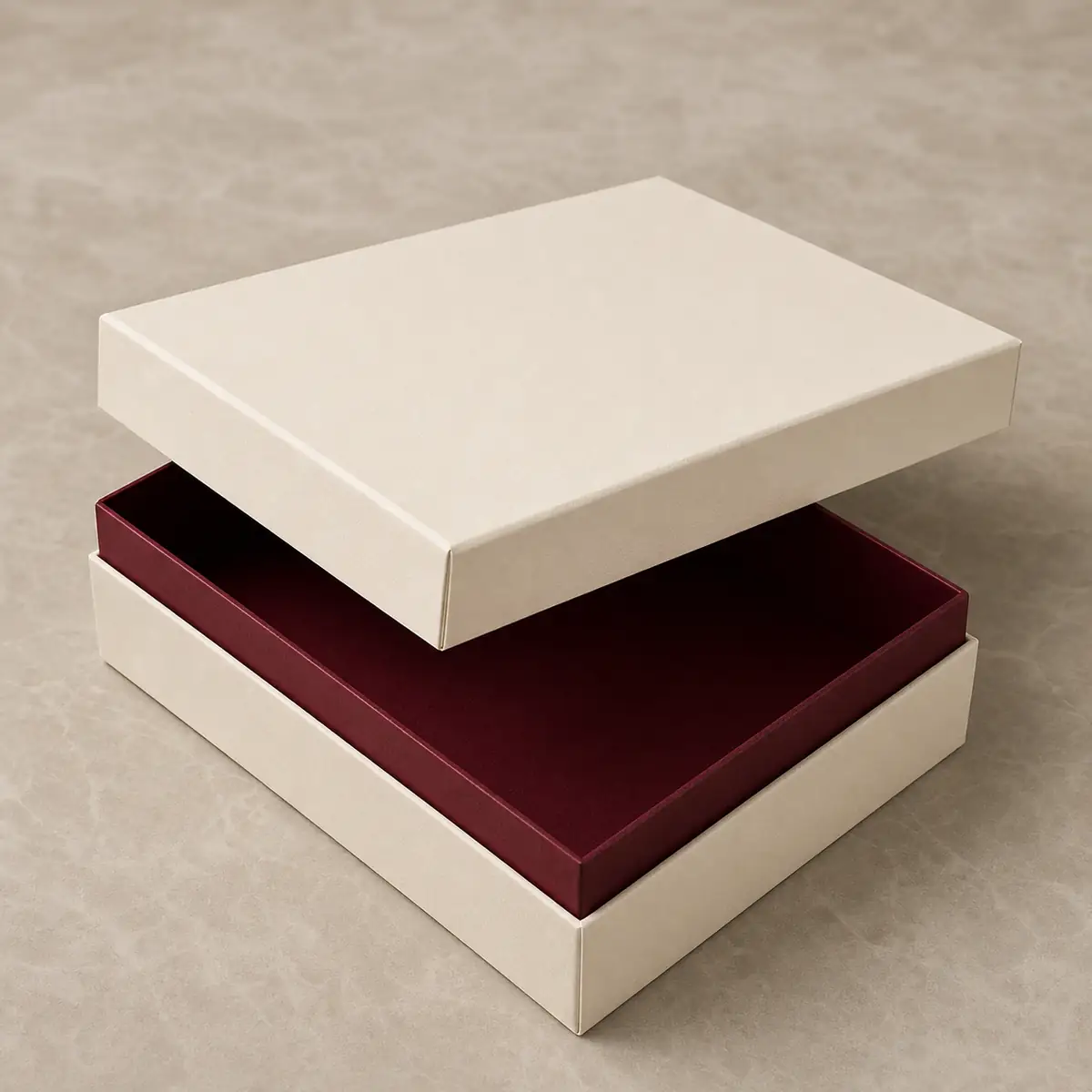
Choose a corrugated mailer when direct shipping protection, flat storage and fast assembly are priorities. Choose a rigid box when unboxing, retail presentation and perceived value carry more weight. A rigid gift box often still needs a protective outer carton for parcel delivery.

Product weight, route and damage risk should drive the decision. For subscriptions and ecommerce refills, a printed mailer is usually more efficient. For launches, gifting and premium sets, a rigid box with a fitted insert can justify the added material and freight.

Quick answer Mailer boxes optimize delivery and storage; rigid boxes optimize presentation and reuse.
Compare custom mailer options
03

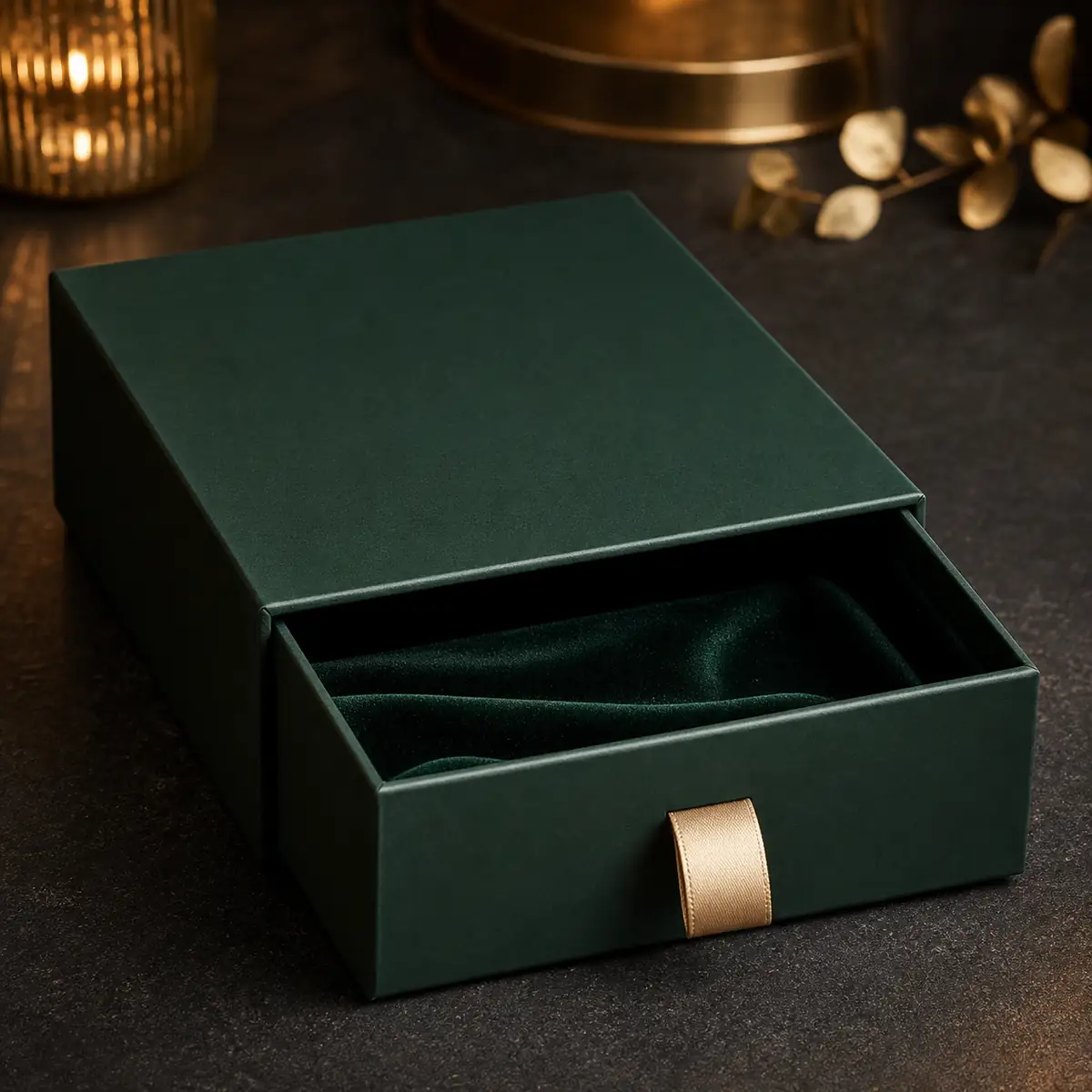
Foam, paper tray or velvet: choosing the right insert

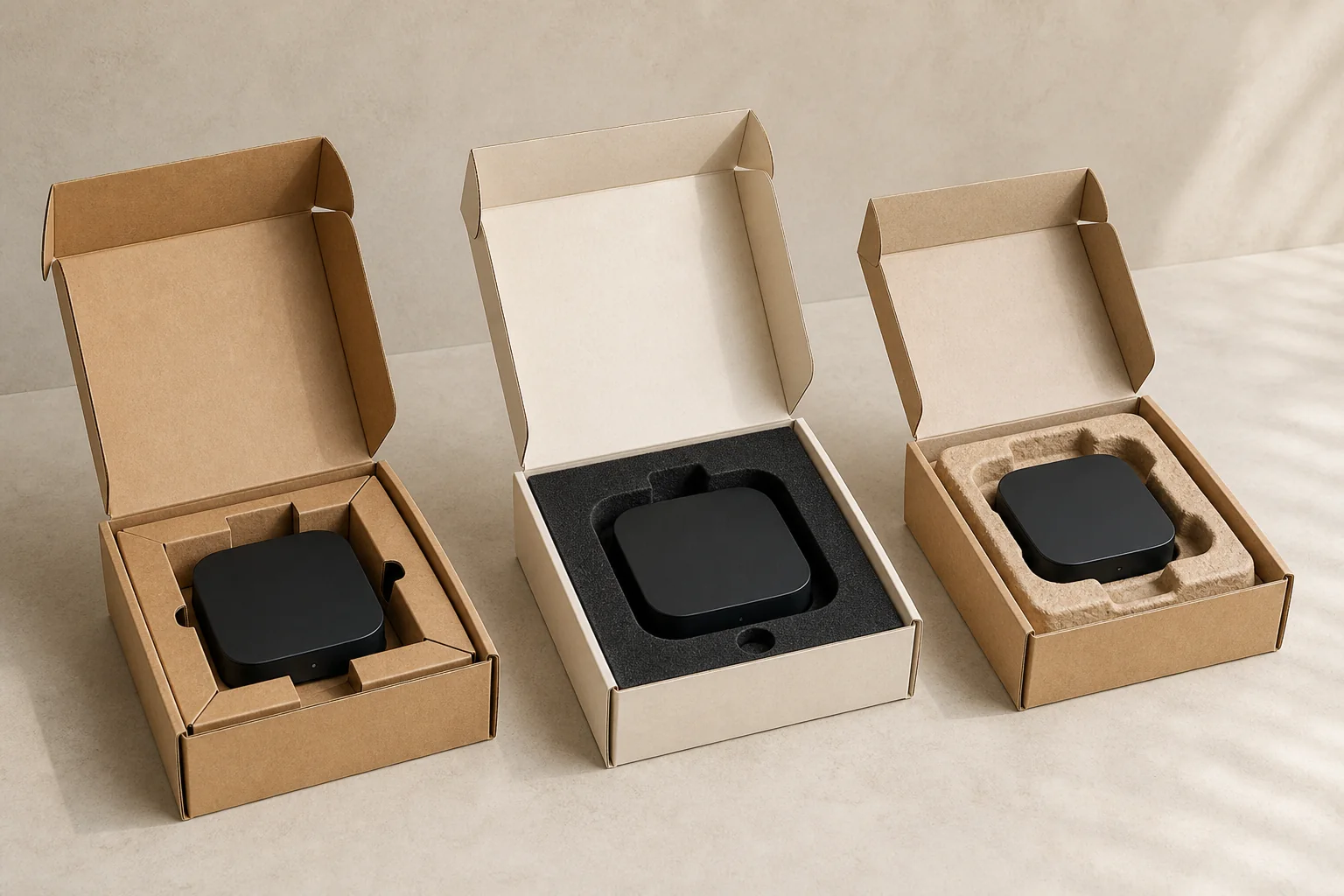
An insert has two jobs: keep the product stable and present it clearly. Paperboard trays suit lighter products. Molded pulp provides cushioning and a natural appearance. EVA or foam is useful for heavy, fragile or precisely shaped products, while fabric wrapping adds a softer luxury finish.

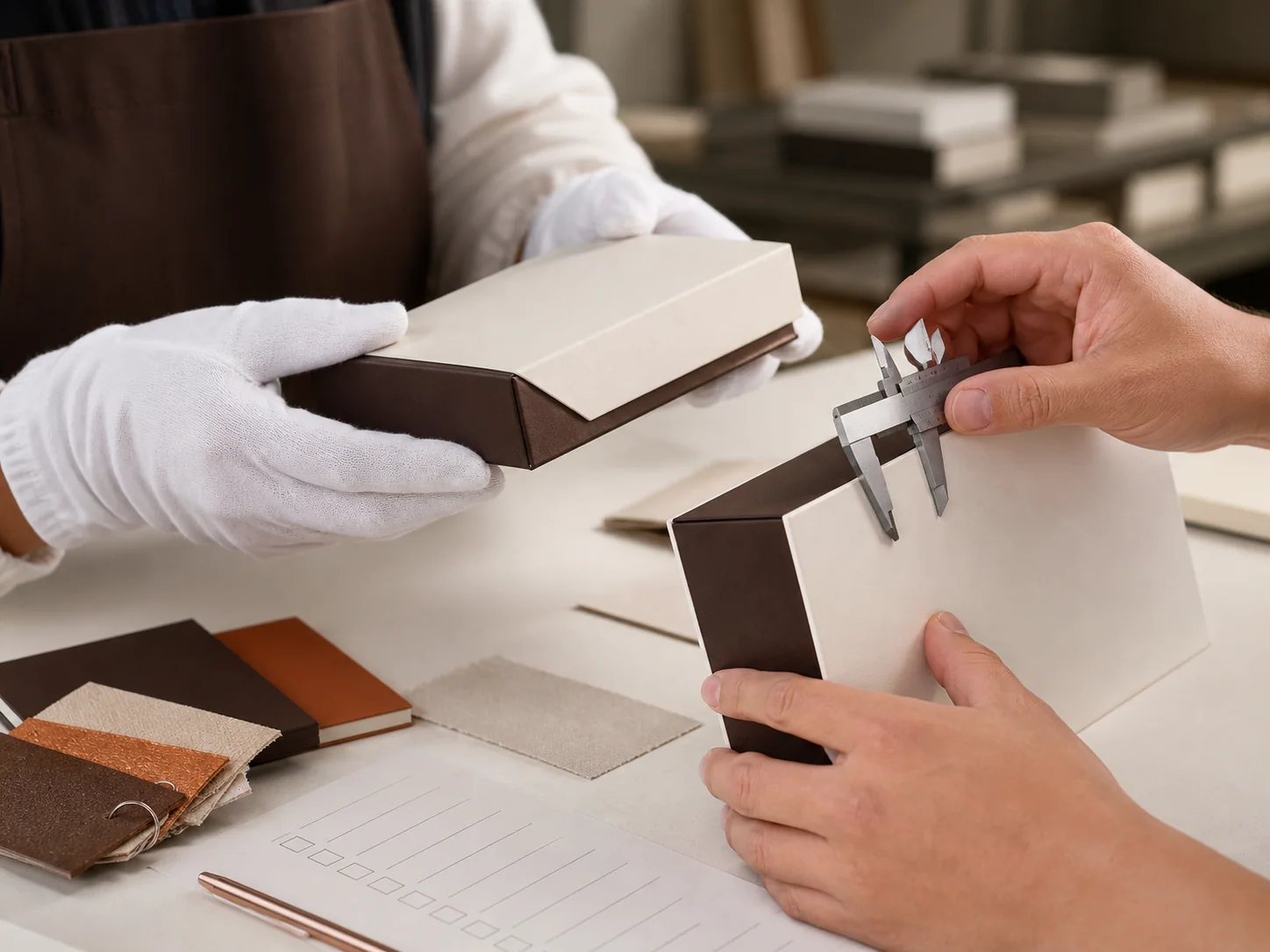
Test removal as carefully as retention. Finger notches, pull ribbons and tolerances determine whether users can lift the product without frustration. Send accurate samples or drawings before tooling.

Quick answer Base the insert on product weight, fragility and sustainability goals—not appearance alone.
Review custom material options
04

Foil, embossing and soft-touch finishes explained

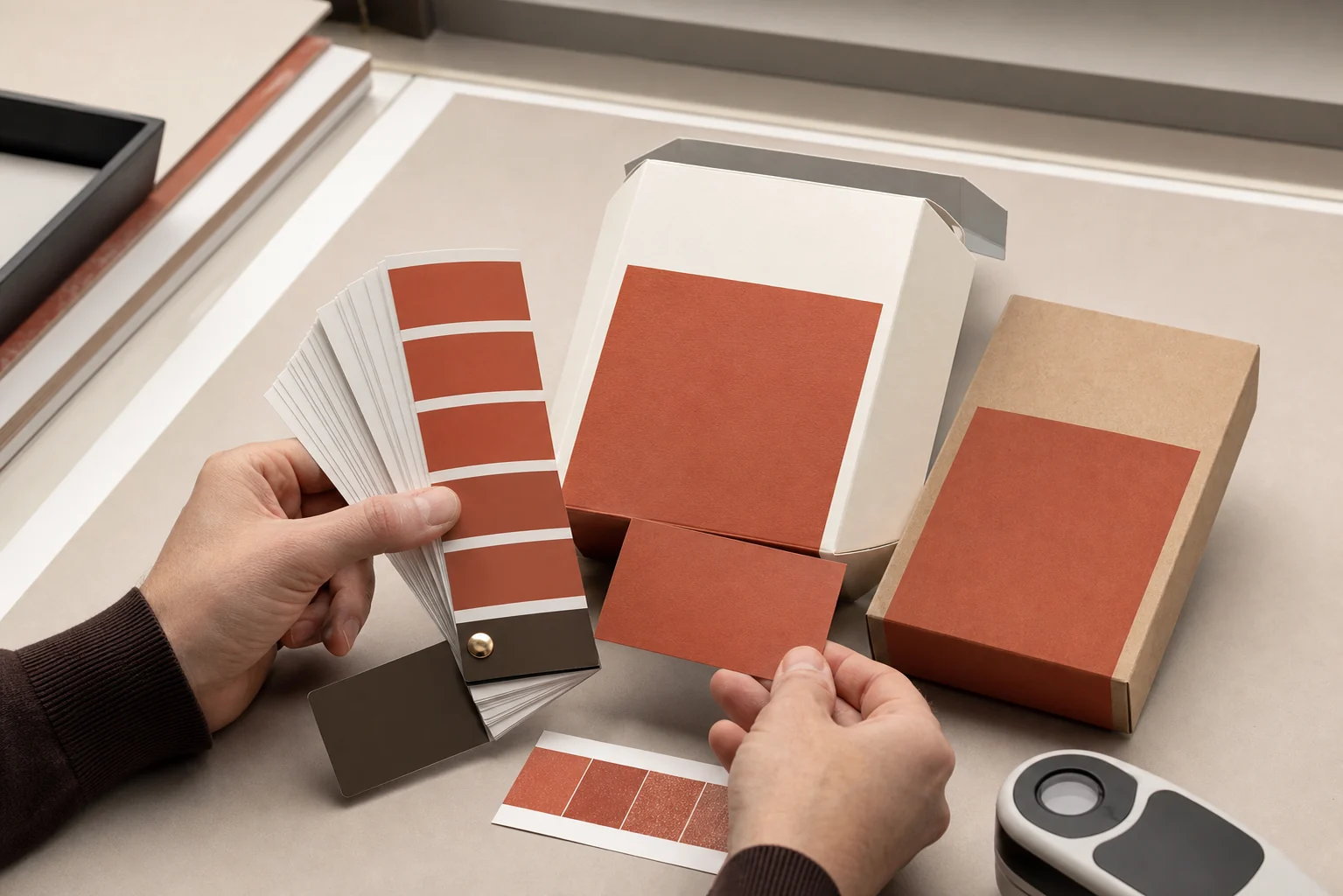
Hot foil creates a crisp metallic focal point. Embossing raises selected artwork; debossing presses it inward for a quieter result. Soft-touch lamination changes the whole surface feel, but should be tested for scuffing, fingerprints and compatibility with foil.

The best finish depends on artwork scale and paper texture. Fine type may lose clarity when deeply embossed, and textured paper can soften printed details. Ask for a finish sample whenever appearance is critical.

Quick answer Use one strong finish as a focal point before combining several decorative processes.
Explore print and finish options
05

What affects custom packaging cost and MOQ?

Prices combine one-time setup with per-unit production. Tooling, plates, samples and machine setup are spread across the quantity, so unit price normally falls as volume rises. Structure complexity, material thickness, insert type, print coverage and finishing all affect cost.

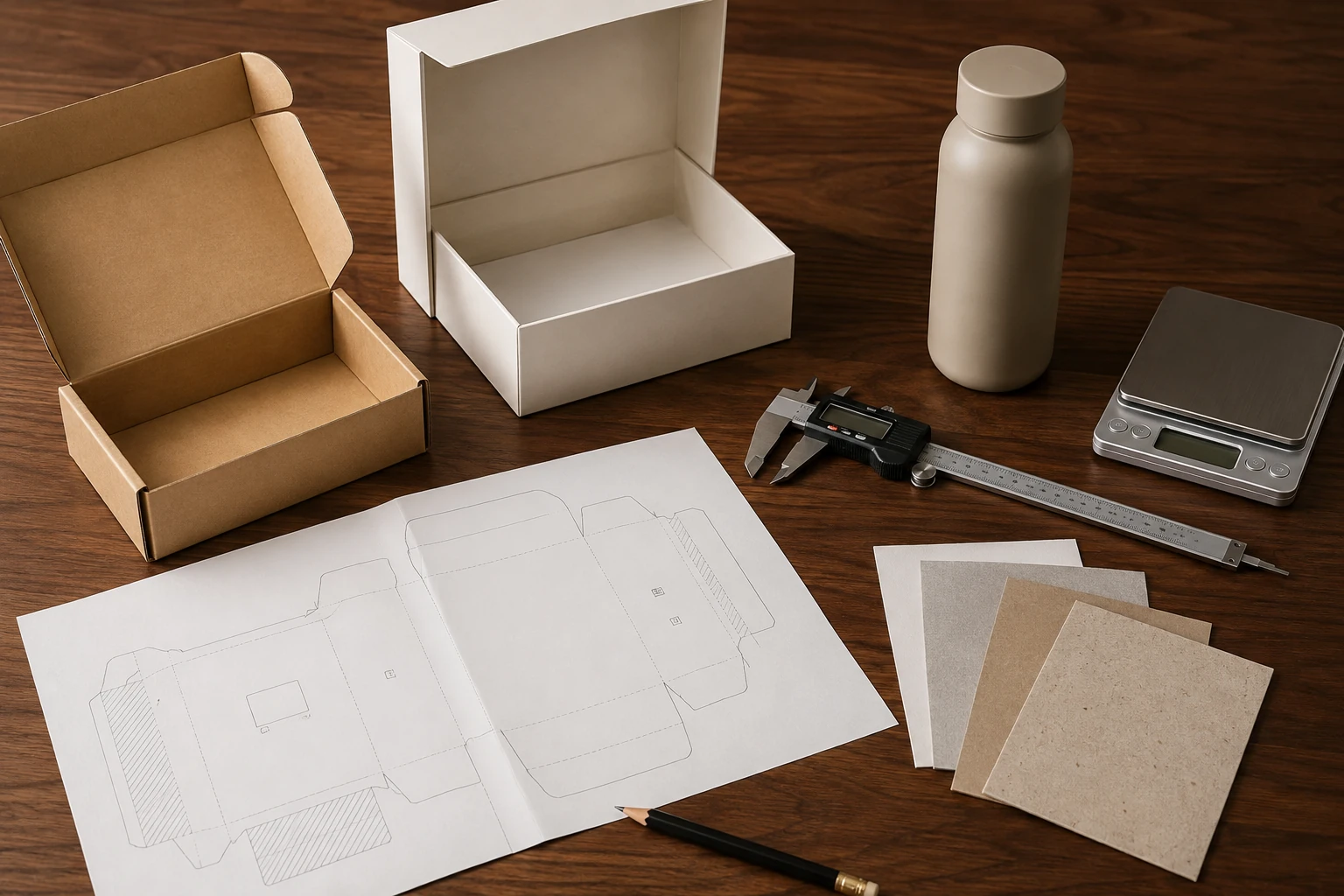
Compare quotations using the same dimensions, material, finish, quantity, packing method and delivery terms. A lower unit price may exclude tooling or freight, or use lighter board.

Quick answer A complete, consistent specification is the only reliable basis for comparing quotes.
Request a specification-based quote
06

The overseas packaging shipping checklist

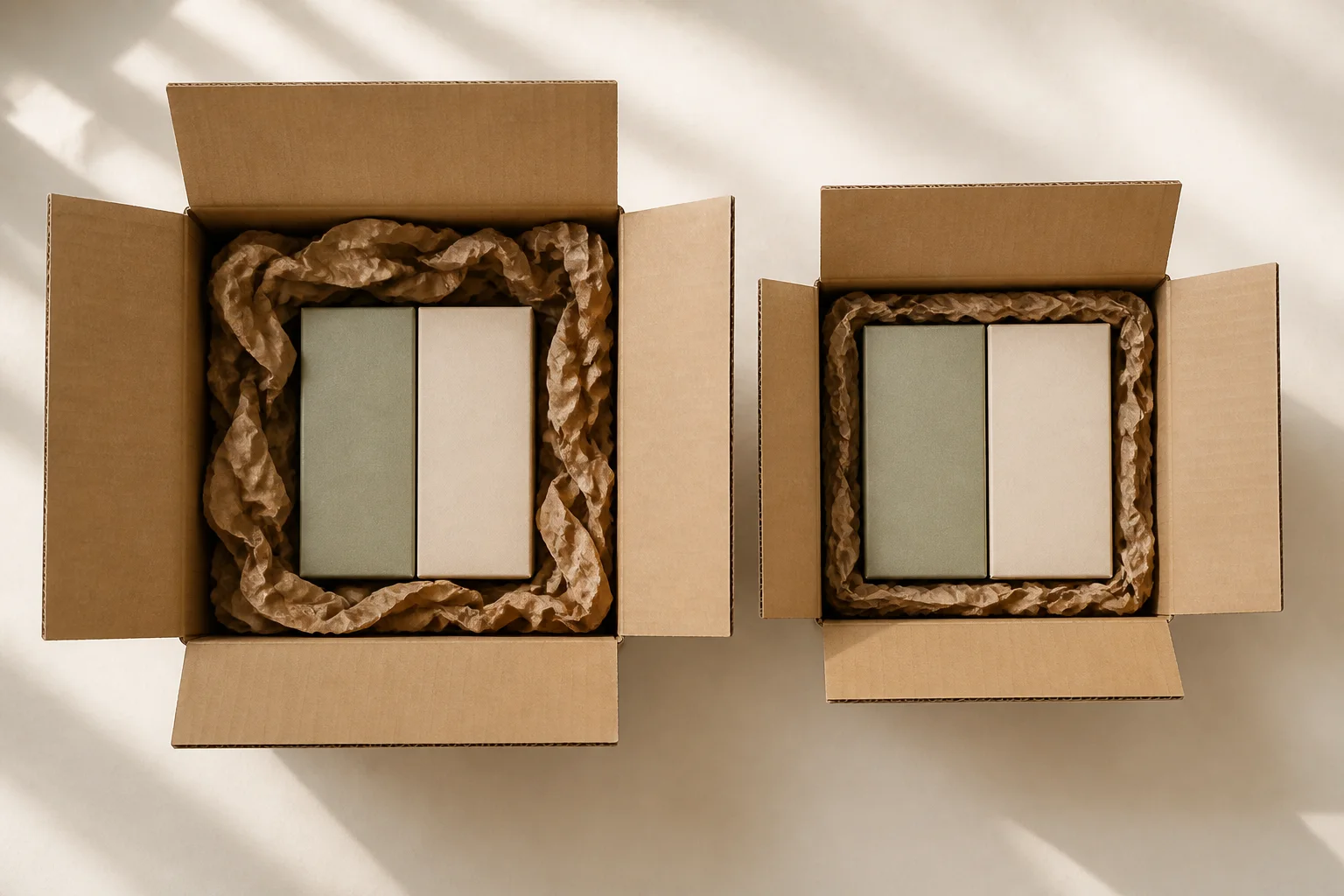
Before dispatch, confirm the approved sample, final quantity, units per carton, carton dimensions, gross weight and carton marks. Check whether boxes ship assembled or flat and whether moisture protection, corner protection or palletization is required.

Write down the delivery term and named destination so freight quotations can be compared correctly. Keep inspection photos and packing records with the order documents.

Quick answer Confirm packing data and delivery terms in writing before goods leave the factory.
See quality and inspection support

Save time on your next quote

Six details every packaging brief should include.

A precise brief leads to a more useful recommendation, a cleaner quotation and fewer sampling revisions.

Start your packaging brief
  1. 01
    Product dimensionsSize and packed weight.
  2. 02
    Order quantityInitial and reorder volume.
  3. 03
    Box styleStructure or reference image.
  4. 04
    Insert needsProtection and placement.
  5. 05
    Artwork & finishFiles, colors and references.
  6. 06
    Delivery planDestination and target date.