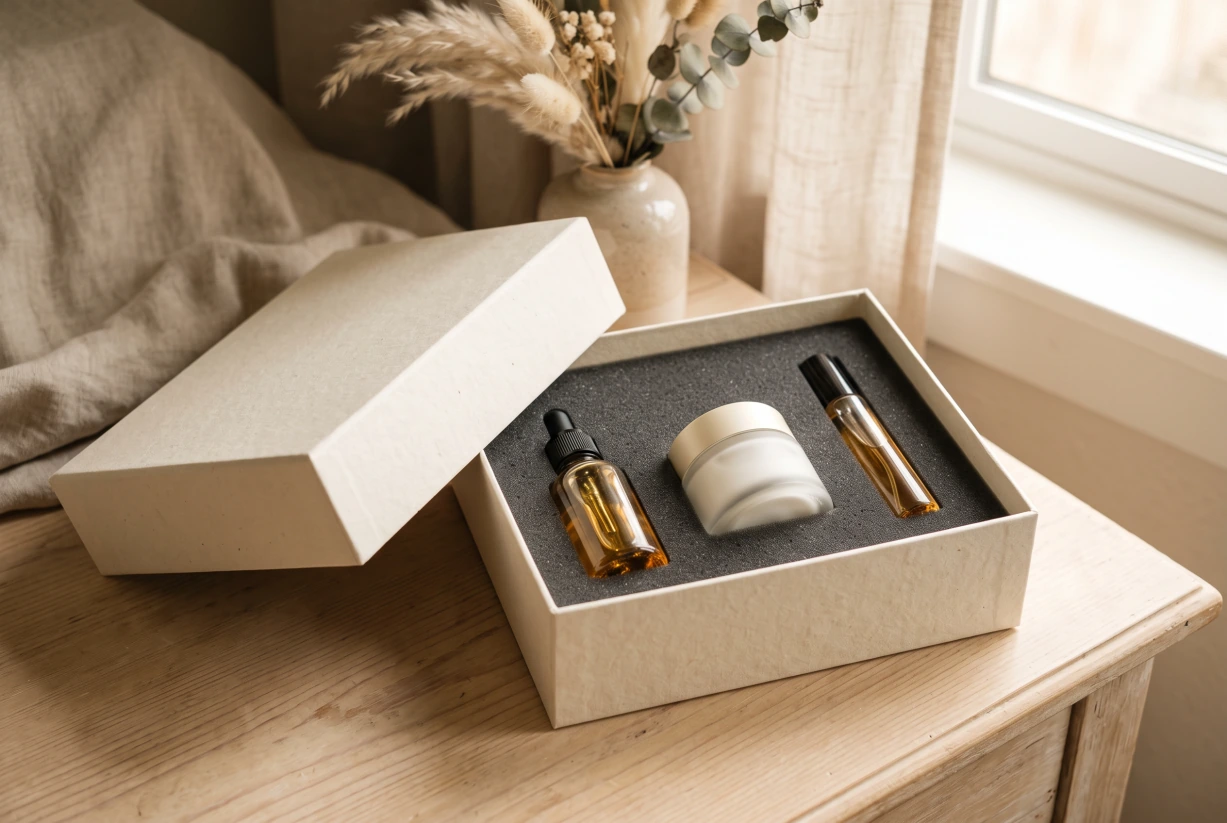
In ecommerce and retail, the box is often the first part of the product a customer touches. Before they see the item itself, they notice whether the pack feels stable, whether the lid aligns, whether the product is easy to lift and whether the materials support the price they paid. Premium packaging earns its place when those details work together—not when decoration tries to hide a weak structure.
1. Build perceived quality from the material outward
Most rigid boxes use thick greyboard wrapped with printed or specialty paper. The board provides the shape; the outer wrap supplies color, texture and print detail. Buyers should specify both. A phrase such as “thick premium paper” is too vague to control the finished result.
Board thickness should be assessed against the finished box span, product weight and opening style. The wrap should be evaluated for fold performance, edge coverage, scuff resistance and color after lamination or coating. For a soft luxury look, an uncoated or lightly textured paper may carry the design. For detailed graphics, a smooth coated sheet can be more predictable.
Board and geometry
Confirm wall stiffness, corner construction, lid alignment and how the box behaves when lifted with the product inside.
Paper and print
Approve color and detail on the actual wrap stock, not only from a monitor or generic swatch.
Fit and removal
Test whether the insert secures the product while allowing the customer to remove it naturally.
2. Match the opening structure to the product journey
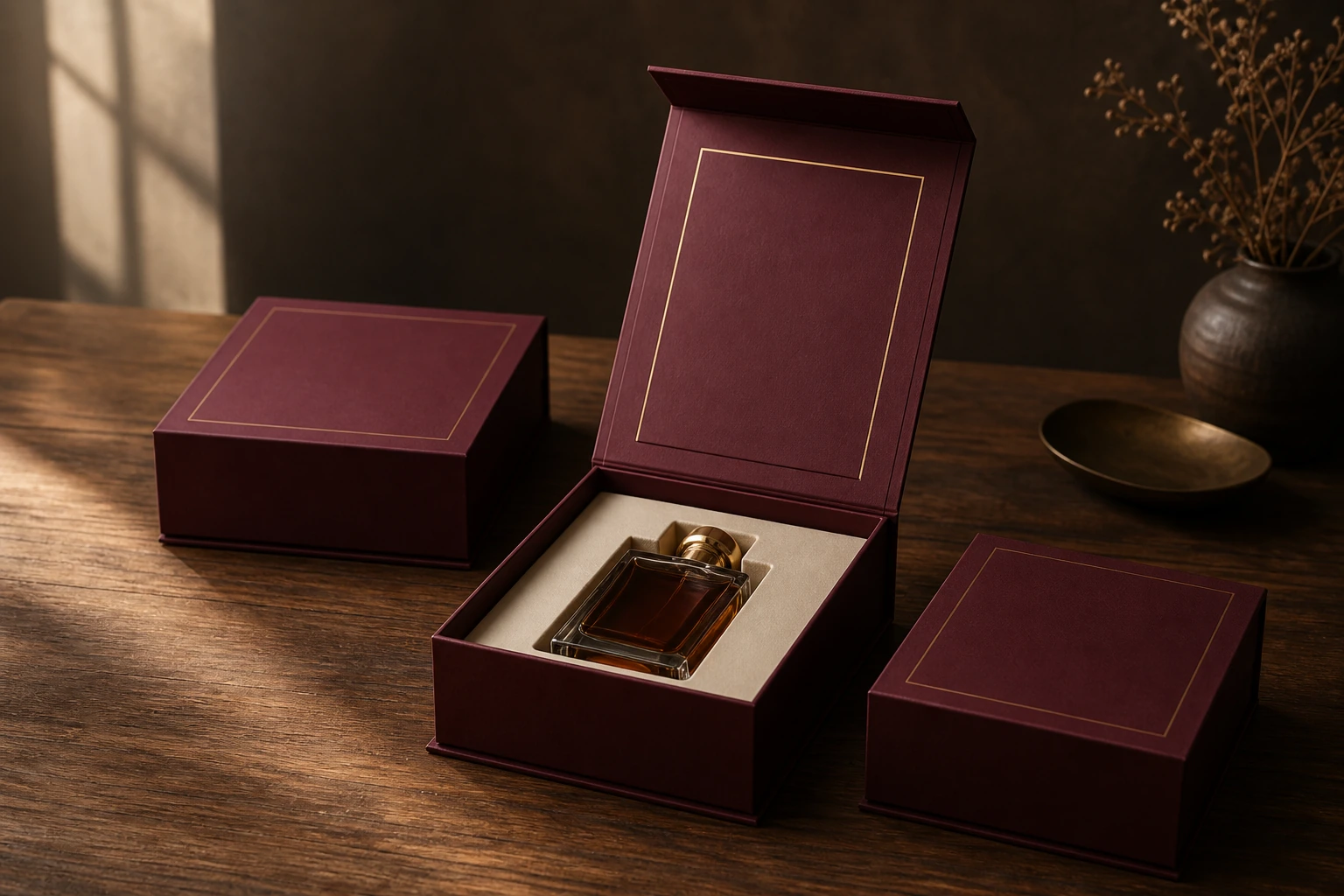
Magnetic flip-top boxes create a controlled reveal and suit gift sets, premium spirits, watches and launch kits. Drawer boxes create a slower pull-out interaction that works well for cosmetics, fragrance and jewelry. Lid-and-base boxes are visually quiet and adaptable. Foldable rigid boxes can reduce freight and storage volume when assembly is acceptable.
The right structure depends on where the box travels. A presentation box placed inside a protective shipping carton has a different job from a pack expected to travel through a parcel network on its own. Use our mailer vs rigid box vs folding carton guide to compare formats before committing to a dieline. For sequential collectible releases, see our guide to planning a reusable box platform with edition-specific inserts.
3. Use finishes to create a focal point
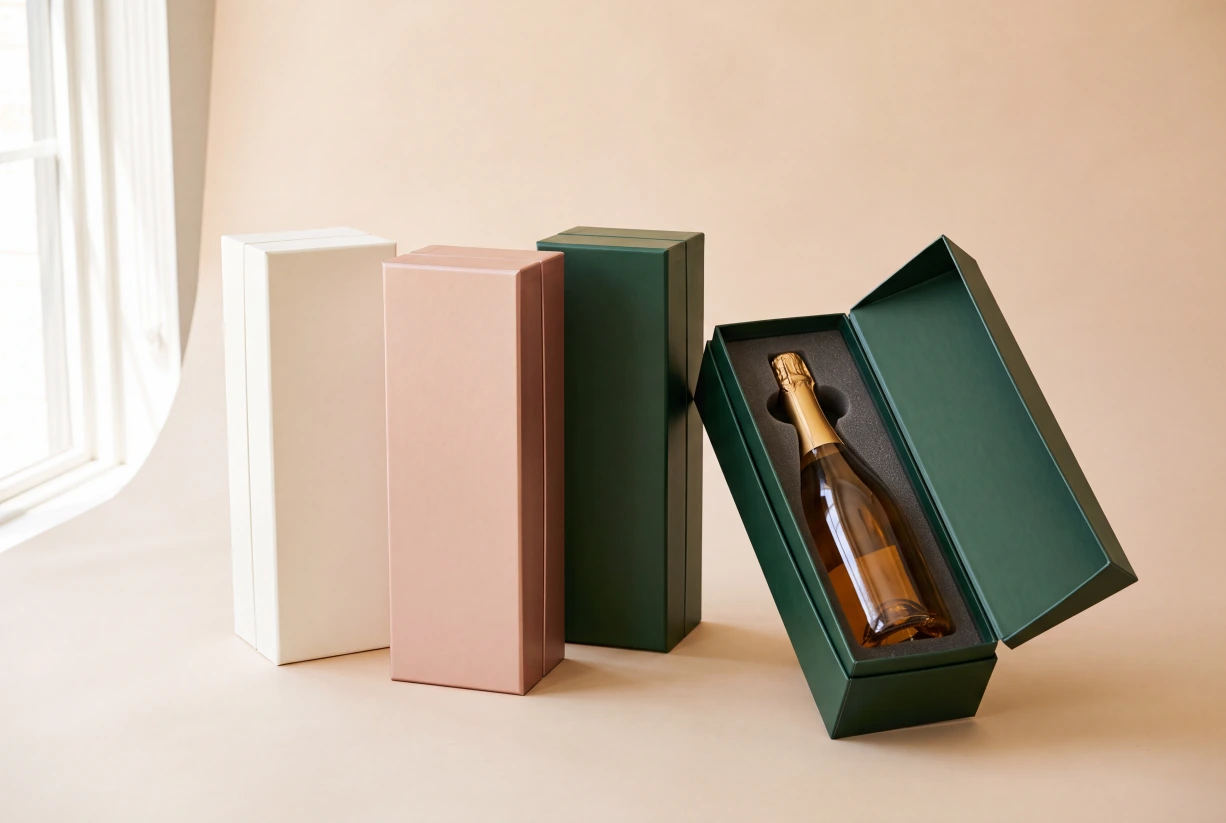
Luxury is usually clearer when one or two finishes carry the visual hierarchy. Hot foil can create a precise metallic accent. Embossing raises selected artwork; debossing presses it inward. Spot UV adds localized gloss. Soft-touch lamination changes the entire surface feel, but should be sampled for fingerprints, scuffing and compatibility with foil.
Small lettering, textured paper and deep embossing can work against one another. Ask for a finish sample using your artwork at real size. The goal is not to collect every available process—it is to make the brand mark, opening point or product reveal feel intentional.
4. Plan responsible choices without vague claims
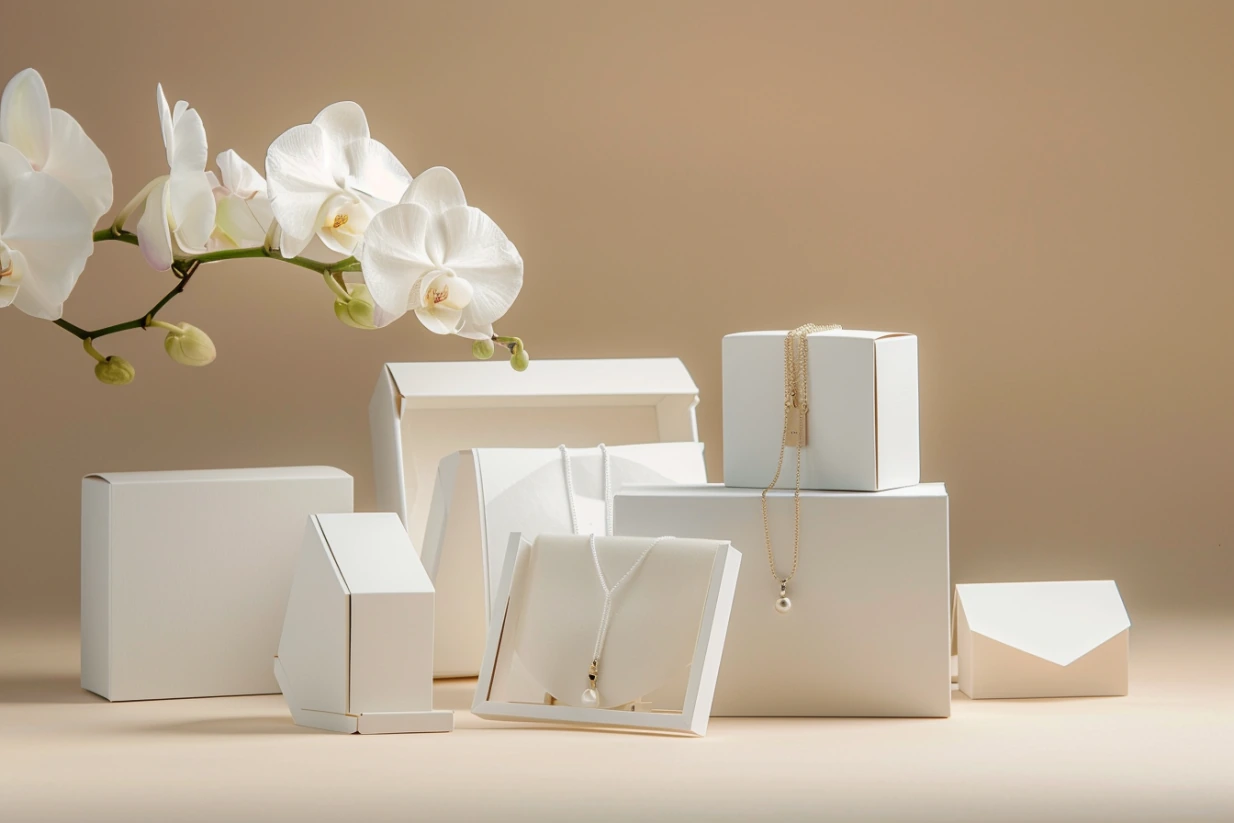
Premium appearance can work with paper-based and lower-plastic options. Ask for chain-of-custody paper where certification matters, consider molded pulp or folded paperboard inserts, and remove unnecessary magnets, films or mixed-material decorations when they do not improve the experience.
Do not assume every “eco” material is automatically recyclable in every market. Document the paper, coating, adhesive, insert and decorative components in the quotation. If reuse is part of the strategy, design the box so customers can realistically use it again and avoid making an unsupported environmental claim.
5. Turn the idea into a production-ready brief
Include these decisions
- Product dimensions and packed weight
- Order and reorder quantity
- Preferred rigid box structure
- Insert material and removal method
- Board and outer wrap specification
- Print colors and physical references
- Foil, embossing, varnish or lamination
- Assembled or flat delivery
- Protective shipping carton needs
- Sample and approval requirements
A complete brief lets suppliers quote comparable solutions. Review our sample approval checklist before signing off structure, color and workmanship.
Frequently asked questions
What makes a box a rigid box?
A rigid box uses thick non-folding board wrapped with paper or another surface material. It normally arrives formed and keeps its shape, unlike a folding carton that ships flat.
Are magnetic rigid boxes suitable for shipping?
They provide presentation and product support, but most still need a protective corrugated outer carton for parcel delivery. Test the complete pack, not only the presentation box.
How should a premium box sample be approved?
Check product fit, opening movement, closure, corner quality, wrap alignment, print color, finish registration and packing method on a physical sample before production.
Premium box development
Turn the first touch into a brand moment.
Share your product dimensions, quantity, reference images and desired unboxing experience. Triya Gift can help compare rigid structures, inserts, papers and finishes.
Request a rigid box quoteChoose a structure or ask for a recommendation
Compare suitable styles, then share your product, estimated quantity and delivery country. Dimensions and artwork can follow.