
Choosing a box structure affects more than appearance. It changes the level of protection, the amount of storage space, how quickly a pack can be assembled, how artwork is printed and how much freight is spent moving empty packaging. A useful comparison begins with the product and route—not with a favorite reference photo.
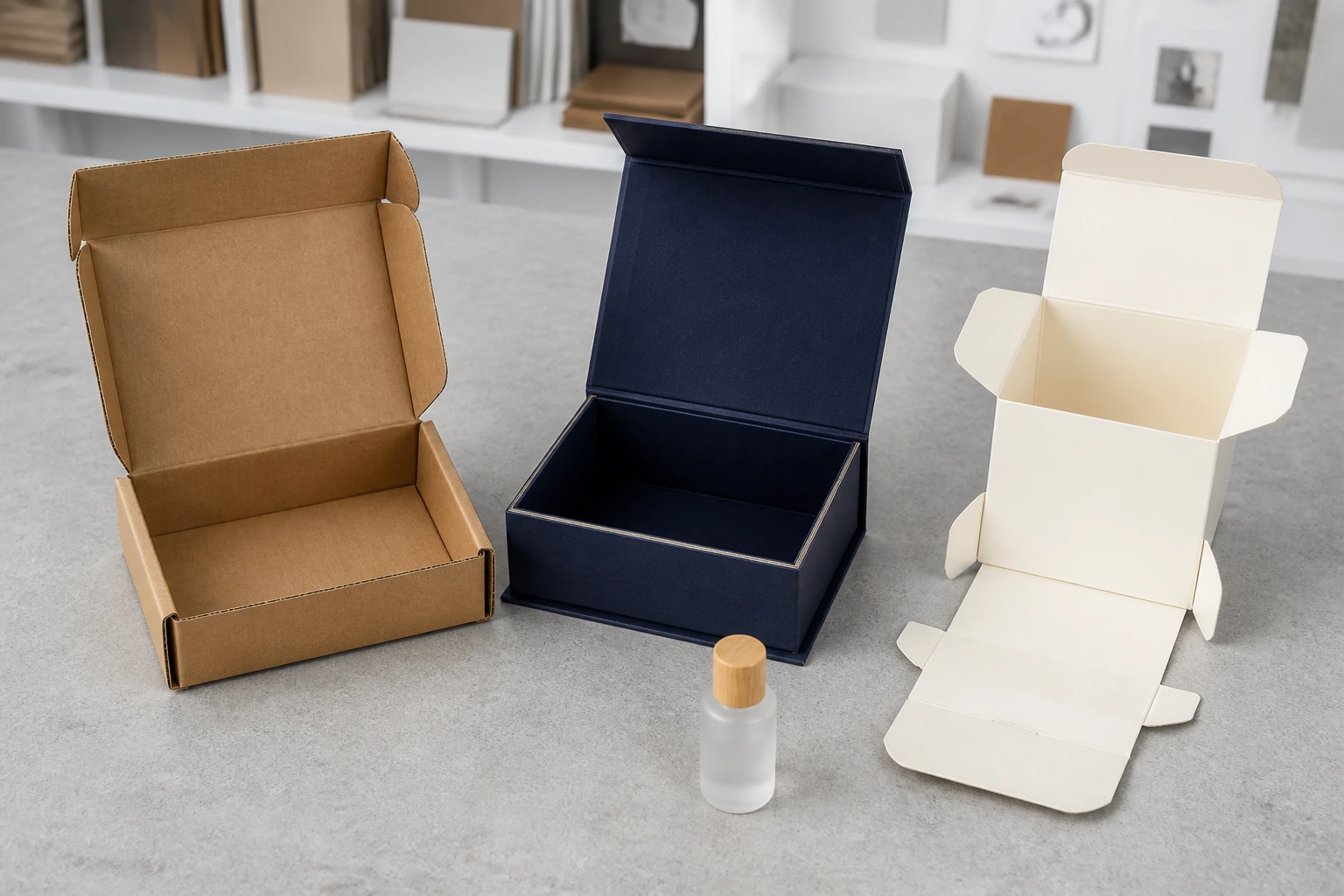
1. Compare the three formats at a glance
| Factor | Mailer box | Rigid box | Folding carton |
|---|---|---|---|
| Typical material | Corrugated board | Wrapped greyboard | Single-layer paperboard |
| Ships flat | Usually yes | Usually no; foldable rigid options exist | Yes |
| Parcel protection | Good when specified and tested correctly | Presentation box usually needs an outer shipper | Needs an outer shipper for parcel routes |
| Presentation | Branded ecommerce experience | Highest tactile and keepsake potential | Strong shelf graphics at low weight |
| Best fit | DTC, subscriptions, apparel, accessories | Jewelry, gifting, premium cosmetics, electronics | Cosmetics, supplements, candles, food sleeves |
2. Choose a mailer box for direct shipping efficiency
Mailer boxes are one-piece corrugated structures that fold into a self-locking form. They are popular with ecommerce brands because the same pack can provide transport protection and a branded reveal. Interior printing can extend the experience without adding a separate presentation box.
The corrugated grade, flute, board combination and box size should be chosen for the packed weight and route. A mailer that is too large increases movement and void fill. One that is too weak may crush in a stacked parcel network. Ask whether the closure needs tape or a tamper-evident seal and whether returns require a second adhesive strip.
Planning an ecommerce return journey? Use our return-ready mailer checklist to evaluate opening, retained inserts, resealing and the second trip together.
3. Choose a rigid box when presentation is part of the product
Rigid boxes hold their form because thick board is wrapped rather than folded from a single thin sheet. The weight, clean corners and controlled opening can support premium price positioning. Magnetic lids, drawers, ribbon pulls and fitted inserts make them suitable for gifts, jewelry, fragrance, electronics and launch kits.
The tradeoff is space and cost. Fixed rigid boxes occupy their full volume during freight and storage. They also involve more converting and assembly than a simple carton. If logistics volume is a concern, compare a foldable rigid design or use the rigid box only where the retained presentation value justifies it.

4. Choose a folding carton for lightweight retail presentation
Folding cartons are printed paperboard packs supplied flat and erected during packing. They reproduce detailed graphics well, use relatively little material and suit high-volume shelf products. Common examples include cosmetics, supplements, small candles, confectionery and light accessories.
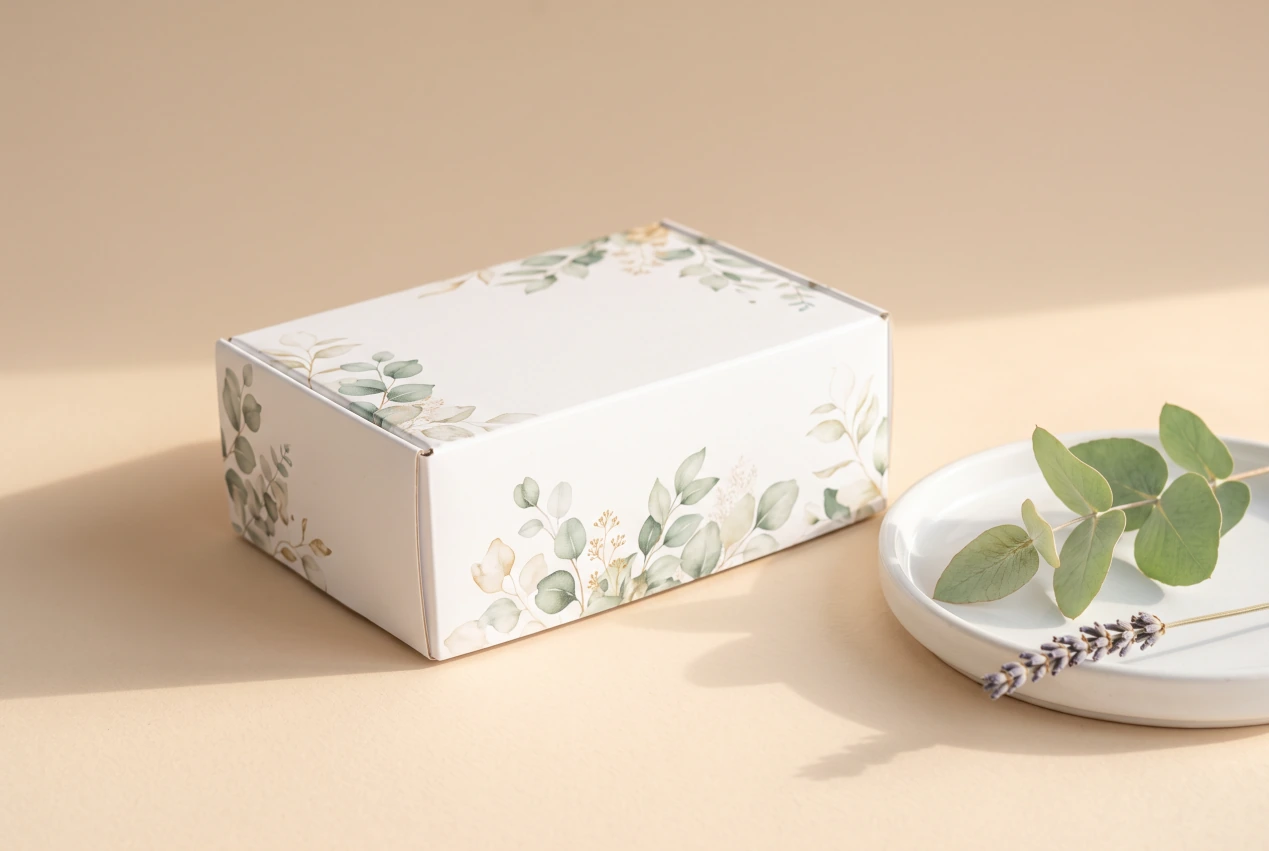
A folding carton is not normally a standalone parcel shipper. Its thin walls provide limited cushioning and compression resistance, so ecommerce orders need a corrugated mailer or shipping carton around it. Windows, internal paperboard platforms and sleeves can improve presentation, but should be tested for product retention and packing speed.
5. Use a decision framework, not a style preference
Weight and fragility
Heavy or breakable products need structural support, controlled clearance and a tested insert. Lightweight products allow more carton options.
Sales channel
A shelf pack, subscription mailer and luxury gift set face different handling and presentation requirements.
Budget and volume
Compare unit cost together with assembly time, storage, outer cartons, void fill and freight.
Also ask how the customer opens, removes and potentially returns the product. The best structure should be easy for the packing team to assemble and difficult for the product to escape, while still feeling intuitive to the buyer.
6. Combine structures when one box cannot do every job
A premium skincare set may use a folding carton for each bottle, a fitted rigid box for presentation and a corrugated shipper for delivery. A subscription brand may use only a printed mailer and paper insert. A retail candle may use a folding carton on shelf and a separate mailer for online orders. These are not redundancies when each layer has a defined role.
Information to send your supplier
- Product size and packed weight
- Fragility and damage history
- Retail, ecommerce or gifting route
- Desired unboxing sequence
- Order quantity and forecast
- Assembly and packing constraints
- Storage and delivery destination
- Print and finish priorities
Explore the available custom box structures, then confirm the final dieline and insert around an actual product sample.
Frequently asked questions
Can a rigid box be used as a shipping box?
It can protect and present the product, but most rigid boxes need a corrugated outer carton to survive labels, abrasion, moisture and parcel handling.
Which structure costs the least?
Folding cartons are often efficient at volume, but the lowest total cost depends on tooling, quantity, printing, assembly, storage, protective layers and freight.
What is best for a small ecommerce brand?
A right-sized corrugated mailer is often a practical starting point because it ships flat and can combine protection with branding. The product and route should still be tested.
Structure selection
Choose the box around the product and route.
Send the product dimensions, weight, sales channel, quantity and reference images. Triya Gift can compare structures and propose a practical sampling path.
Request a structure recommendation